Why service businesses don't need more features: they need their time back
The lesson from building Calendy: service owners buy time and control, not feature lists.
May 8, 2026
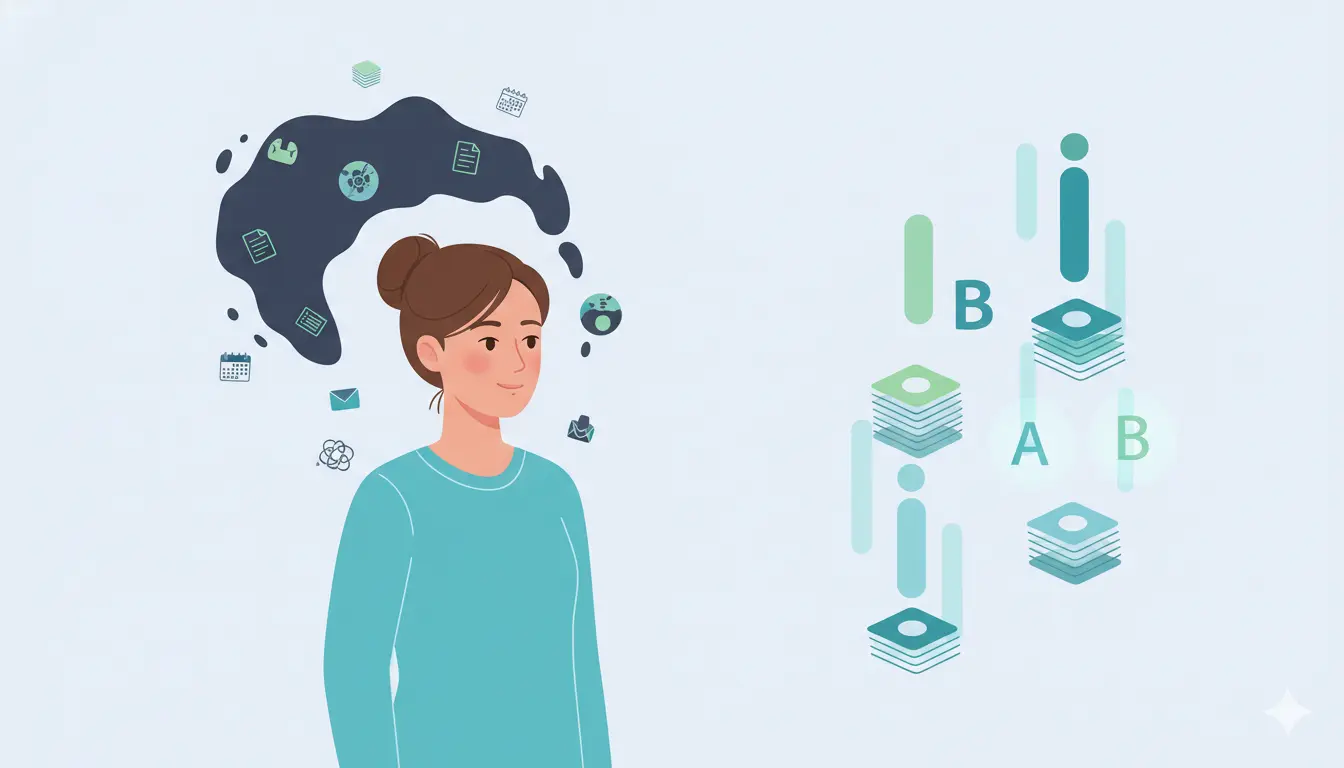
Table of Contents
- The temptation to win on features
- Feature parity is a race to the bottom
- Designing around the benefit, not the feature
- The hardest problem is adoption, not capability
- Build for the real environment
- If you're building a product
The temptation to win on features
When we built Calendy, the obvious move was to compete on features. We learned quickly that service-business owners don't buy features. They buy back the time and control their booking admin steals from them. Here's how that reshaped what we built, and what it means if you're planning a product of your own.
Feature parity is a race to the bottom
Anything you ship, a funded competitor can copy. If your whole pitch is "we have X and they don't," you have an expiry date on your differentiation. The products that win aren't always the most capable. They're the ones that connect with what the customer actually wants. A barbershop owner doesn't want "per-professional scheduling." They want to stop running the shop from their phone.
Designing around the benefit, not the feature
Every feature in Calendy maps to an owner outcome. Self-service booking gives the owner their attention back. A booking page on the business's own link keeps client ownership in the business's hands, rather than on loan from a platform. We designed backward from those outcomes, which is a very different process from filling out a feature checklist.
The hardest problem is adoption, not capability
For small service businesses, the blocker to going digital is rarely the owner. More often it's their clients. Too much friction and everyone falls back to phone calls. So we obsessed over the client's path: a few clear steps, recognition by phone number for returning clients, no accounts or passwords. Less, done well, beats more.
Build for the real environment
Software for service businesses has to work where the business actually is: on a tablet at a busy front desk, in the owner's own language, set up in an afternoon. That is why we also design around the focus and physical environment of hands-on operators. For South-East European markets, multi-language support across Macedonian, Bulgarian, Serbian, Albanian, Polish and English wasn't a nice-to-have. It was the difference between a product people use and one they admire and ignore.
If you're building a product
- Sell the benefit of the benefit (what's in it for the customer), not the spec sheet.
- Design backward from the outcome the customer actually wants.
- Treat adoption friction as the central problem, not an afterthought.
- Build for the customer's real environment, not a demo.
When evaluating the next tool, compare the complete task rather than a longer feature list. Our guide to choosing between existing and custom software connects that workload to the amount of software the business should own.
We build digital products for service businesses: booking platforms, management tools, and the systems behind them. Want to see this thinking in practice? Read how we approached booking for barbershops in Calendy. Thinking about building something similar? Get in touch with Ascenta.